Navient's Journey: From Sallie Mae Spinoff to Industry Giant
For decades, the name Navient has been synonymous with student loans, tracing its lineage back to the very foundations of federal student aid. Established in 2014, Navient emerged as a financial services powerhouse from the spin-off of SLM Corporation, more commonly known as Sallie Mae. Sallie Mae itself was a federally chartered government-sponsored enterprise (GSE) created by the U.S. Congress in 1972 to foster a secondary market for federally guaranteed student loans under the Federal Family Education Loan Program (FFELP).
This historical context is crucial for understanding Navient's significant footprint. Sallie Mae's original mission was to provide liquidity to banks and credit unions originating student loans, thereby encouraging more lending while the federal government bore the default risk. Over time, Sallie Mae expanded into direct loan servicing, handling the intricate processes of collections, payments, and compliance. When Navient spun off, it inherited these extensive loan servicing operations, alongside asset management and business processing for various sectors.
Headquartered in Wilmington, Delaware, Navient quickly grew to service portfolios encompassing trillions in student loans for millions of borrowers. Its operational efficiency and technological innovation in repayment management became defining characteristics. While Navient continued to service federal loans, it also built a substantial portfolio of private student loans, notably through acquisitions like Earnest. This strategic pivot towards diversified revenue streams was particularly pertinent as federal servicing contracts began to decline. To dive deeper into its origins and evolution, explore Navient Unpacked: From Sallie Mae Spinoff to Student Loan Controversies.
The Controversies That Led to Change
Despite its scale and technological prowess, Navient's tenure as a major student loan servicer was not without significant challenges and controversies. Over the years, the company faced a barrage of allegations related to its servicing practices, drawing scrutiny from federal regulators and state attorneys general alike. A central theme in these accusations was the alleged steering of borrowers into costlier repayment options, particularly forbearances, when more beneficial income-driven repayment (IDR) plans might have been available. Critics claimed that Navient's practices often prioritized company profits over borrower welfare, leading to increased interest accrual and prolonged repayment periods for many student loan holders.
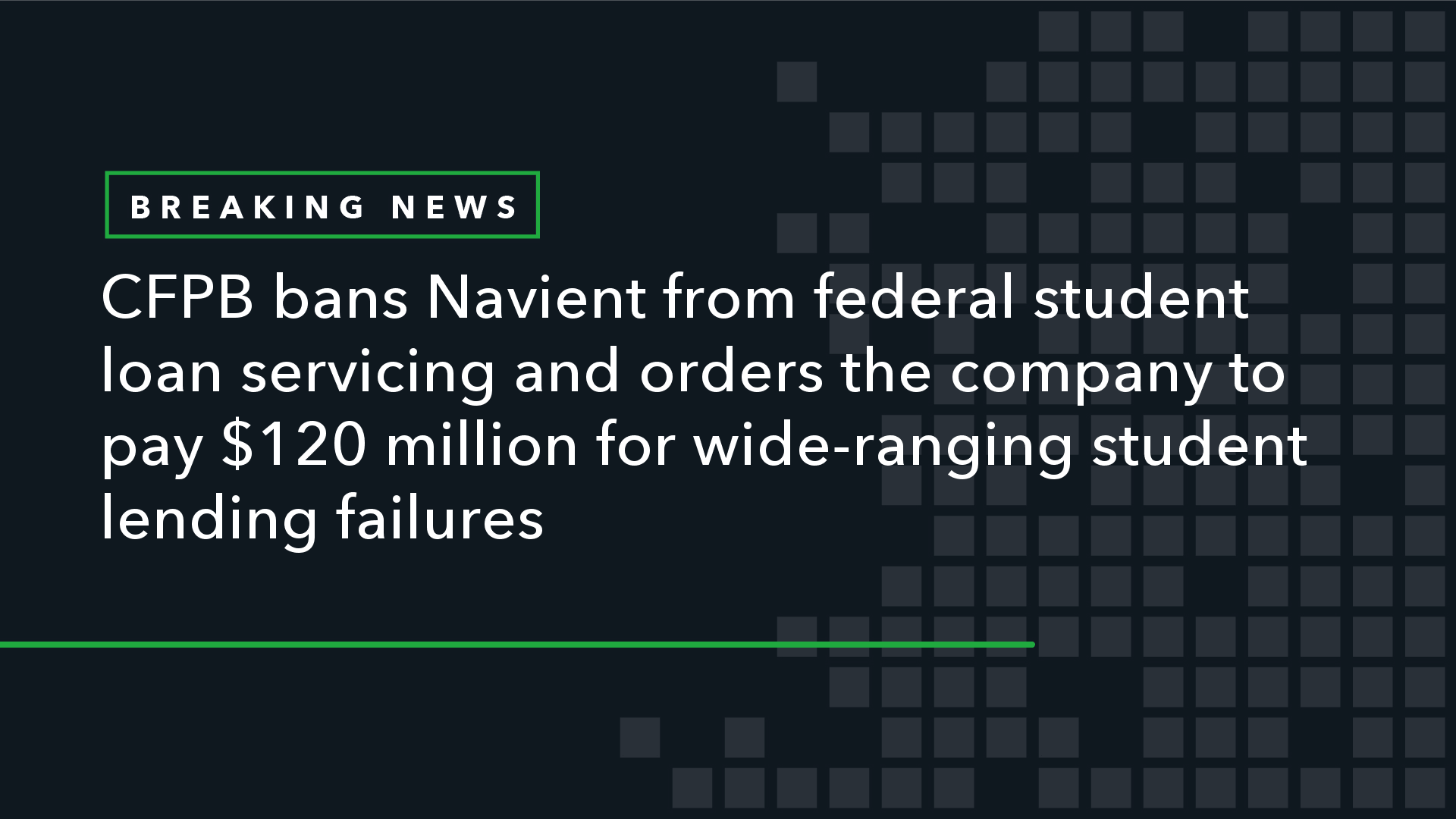
These allegations culminated in multiple high-profile lawsuits and investigations. The most impactful was a September 2024 settlement with the Consumer Financial Protection Bureau (CFPB). This landmark agreement imposed a permanent ban on Navient from servicing federal student loans and mandated a substantial $120 million in redress to affected borrowers. Beyond the CFPB, numerous state-led lawsuits and investigations echoed similar concerns, alleging patterns of deceptive practices in both loan origination and collections. While Navient has often contested these claims, citing empirical repayment data to support its operational integrity, these multistate settlements still resulted in hundreds of millions of dollars in required payments and debt cancellation.
The core issue often revolved around transparency and guidance. As a loan servicer, Navient's role was to collect payments, provide customer support, and maintain loan accounts. However, the complexities of federal student loan programs, with their myriad repayment plans, deferments, and forbearance options, demand clear and unbiased guidance. The controversies suggested that Navient, at times, fell short of this crucial responsibility, leading to detrimental outcomes for some of its borrowers.
The Federal Servicing Ban: What It Means for Borrowers
The permanent ban on Navient servicing federal student loans marks a significant shift in the student loan landscape. If your loans were previously serviced by Navient, understanding the implications of this change is paramount. Crucially, this ban primarily affects loans under the Federal Family Education Loan Program (FFELP) and any other federal student loans Navient might have managed.
Here’s what this means for you, the borrower:
- Your Federal Loans Have Been Transferred: If Navient serviced your federal loans, they have been or are in the process of being transferred to a new servicer. This is a common occurrence in the student loan industry, but it requires your attention.
- Identifying Your New Servicer:
- For federal loans, the definitive source is StudentAid.gov. Log in to your account, and you will find a list of all your federal loans and their current servicers.
- You should also receive notifications directly from Navient and your new servicer via mail and email. Keep a close watch on your communications.
- Navient Still Services Private Loans: It's vital to understand that this ban does not apply to private student loans. If you have private student loans serviced by Navient, they will continue to be serviced by Navient as usual. If you're unsure whether you have private or federal loans, check your credit report, which will detail all your loan accounts.
The role of a loan servicer is to manage the administrative aspects of your loans, including processing payments, providing customer support, and guiding you through repayment options. While Navient is no longer in this capacity for federal loans, your new servicer will assume these responsibilities. For more detailed guidance on how to navigate these changes, read What Happened to Navient? Your Guide to Student Loan Servicing Changes.
Navigating Your Student Loans Post-Navient
With Navient out of the federal student loan servicing picture, it's more important than ever for borrowers to be proactive and informed. Transitioning to a new servicer can sometimes present challenges, but with the right approach, you can ensure a smooth process and maintain control over your student loan repayment journey.
Here are practical tips and actionable advice:
- Confirm Your New Servicer: As mentioned, StudentAid.gov is your go-to for federal loans. Create an account if you haven't already, or log in regularly to check your loan details and confirm your current servicer. For private loans, review your credit report or directly contact Navient if you have questions.
- Update Your Contact Information: Ensure your new servicer has your most current mailing address, email, and phone number. This is crucial for receiving important notices about your account, payment changes, and available programs.
- Keep Thorough Records: Maintain a file (digital or physical) of all correspondence from Navient and your new servicer. Document phone calls, including the date, time, representative's name, and a summary of the discussion. This can be invaluable if any discrepancies or issues arise.
- Understand Your Repayment Options: Familiarize yourself with the various federal repayment plans, such as Income-Driven Repayment (IDR) plans, deferment, and forbearance. While forbearance might seem like an easy fix, IDR plans can often be more beneficial in the long run by potentially lowering your monthly payment and leading to eventual loan forgiveness. Your new servicer should be able to explain these options clearly.
- Set Up Auto-Pay (Carefully): Many servicers offer an interest rate reduction for enrolling in auto-pay. If you choose this, ensure your bank information is correct and that you have sufficient funds to avoid overdrafts. Double-check with your new servicer if your auto-pay arrangement transferred or if you need to re-enroll.
- Stay Vigilant for Scams: Unfortunately, major changes in student loan servicing can be exploited by scammers. Be wary of unsolicited calls, emails, or texts promising "immediate forgiveness" or demanding personal information outside of official servicer communications.
- Seek Help When Needed: If you encounter issues with your new servicer that you cannot resolve directly, there are resources available. You can contact the Federal Student Aid Ombudsman Group, the CFPB, or your state's attorney general for assistance.
Conclusion
The permanent ban on Navient from servicing federal student loans marks a pivotal moment, underscoring the ongoing evolution and increased scrutiny within the student loan industry. While Navient's historical role in financing higher education is undeniable, the settlement with the CFPB reflects a renewed emphasis on consumer protection and transparent servicing practices. For millions of borrowers, this change means a transition to a new servicer for their federal loans, while private loans may remain under Navient's management.
Ultimately, the responsibility of navigating this landscape falls to the individual borrower. By staying informed, verifying loan details on official platforms like StudentAid.gov, and diligently maintaining records, you can ensure a smoother transition and better manage your student loan debt. This period of change serves as a powerful reminder for all student loan holders to remain proactive advocates for their financial well-being.